Is Gold Plated Sterling Silver Good? What to Check
By Burtay Eray Dinçel ·
Short answer: Yes, when the base is 925 sterling silver and the gold layer suits how often you wear the ring. Vermeil has a legal floor of 2.5 microns of gold under FTC rules. Basic plating may be far thinner, so the finish name and the thickness decide the answer.
What the FTC terms mean
Jewelry labels sound alike, yet the FTC Jewelry Guides give each one a test. Read the label before you read the price.
Under 16 CFR 23.3, "gold electroplate" is an electrolytic coating of at least 10 karat gold, at least 0.175 microns thick. "Heavy gold electroplate" needs about 2.5 microns. "Gold filled" is a mechanically applied layer that makes up at least 1/20 of the item's metal weight, in gold of a stated karat.
Vermeil has its own rule. Section 23.4 says a vermeil product has a sterling silver base. All significant surfaces must carry gold of at least 10 karat, at a minimum thickness equal to 2.5 microns.
The FTC consumer guide describes "gold flashed" and "gold washed" as a very thin electroplate that wears away faster than gold plate, gold filled or gold electroplate. It suggests asking the seller what such terms mean.
Why sterling silver makes a good base
Sterling silver is 92.5% silver by weight. According to Wikipedia's sterling silver entry, the rest is usually copper, added for hardness and strength. Pure silver is too soft for a ring. A hard base holds its shape.
Sterling has a weakness. Airborne sulfur compounds slowly form a black silver sulfide tarnish on it. A gold layer covers that for a while.
At Swan Jewellry, founded in 2023 by Burtay Eray Dinçel, every ring is made to order in our Ankara workshop. We cast each one individually, then engrave and finish it by hand. Metals include 925 sterling silver, gold plated, rose gold plated, platinum plated, gold filled, gold vermeil and solid 10K, 14K and 18K gold. The options differ by product, so check the listing.
How plating wears over time
Plating is a skin of gold over another metal. Thickness sets how long it lasts. Wikipedia's gold plating article sorts it into grades: flashed or washed under 0.5 micron, gold plated from 0.5 micron up, and heavy gold plated from 2.5 microns up. That article equates the top grade with vermeil, which is looser than the FTC definition above.
The same article describes a second wear mechanism. Silver atoms diffuse into the gold layer, so gold plated silver tarnishes over months or years depending on thickness. A barrier layer such as nickel or rhodium slows the process.
Friction does the rest. Edges and the raised parts of an engraved signet face rub against surfaces first, so wear shows there. A ring worn every day wears faster than one saved for evenings.
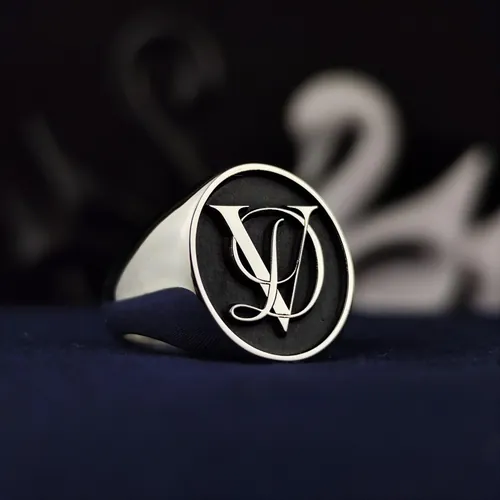
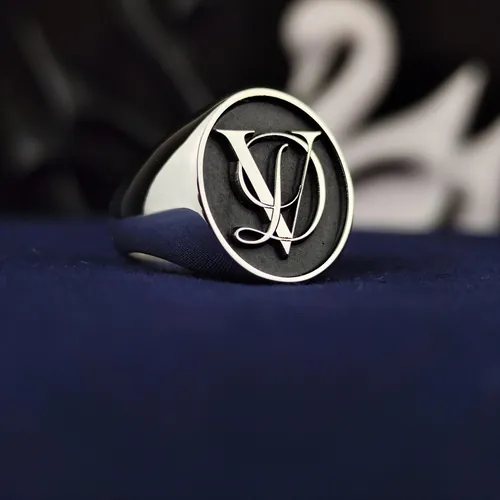
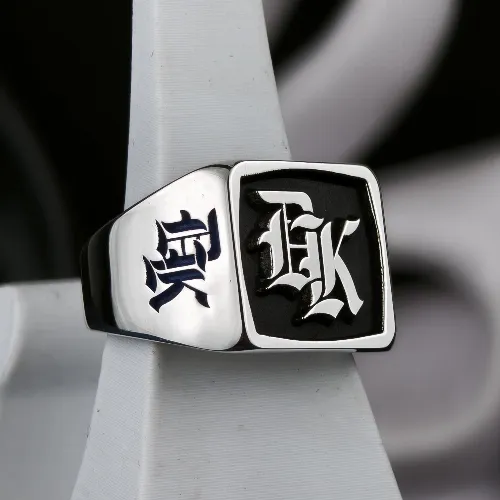
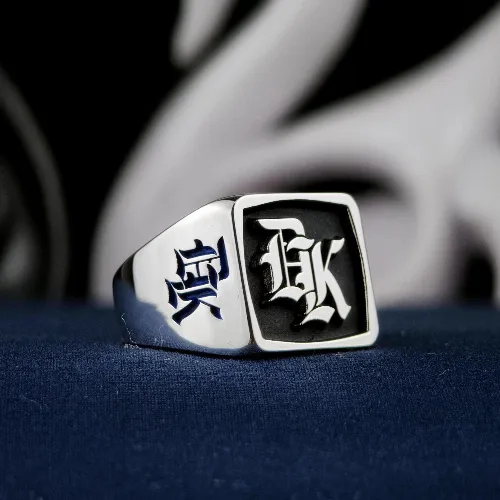
Signet design matters here. Recessed engraving sits below the surface and rubs less than a raised monogram or a crest in relief. If you choose a raised design on a plated ring, expect those high points to show wear first. Our guide to raised versus recessed signet designs explains the difference.
Plated and vermeil finishes wear with daily use over months to years. Solid gold resists wear and tarnish better, with no layer to wear through. Our Lifetime Craftsmanship Guarantee covers manufacturing defects. Plating wear and accidental damage fall outside it, as our warranty page explains.
Which finish suits which ring
Pick by how often you wear it. The table compares the finish types, with thickness figures taken from the FTC minimums above.
| Finish | What it is | Wear | Best for |
|---|---|---|---|
| Gold plated sterling silver | Gold layer over a sterling silver ring | Wears with daily use over months to years | Occasional wear |
| Gold vermeil | Sterling base with 10K or higher gold, 2.5 microns minimum by FTC rule | Layer is thicker than basic plating | Regular wear at a lower price than solid gold |
| Gold filled | Mechanically bonded gold, at least 1/20 of the metal weight by FTC rule | Gold layer must be at least 1/20 of the item's metal weight | Wearers who want a gold look |
| Solid gold | 10K, 14K or 18K alloy throughout | Resists wear and tarnish best | A ring meant for decades |
The FTC figures are legal minimums, and they say nothing about any one maker's rings. For our own pieces, ask about the finish on the specific product before you order.
Our guide to gold plated versus solid gold rings covers cost and lifespan in more detail.
What to ask before you buy
Put these questions to any maker.
- Is the base 925 sterling silver?
- Is the finish called plated, vermeil or gold filled, and what does that word mean to the seller?
- What is the karat, and does the seller state the thickness in microns?
- What does the guarantee exclude?
Get the answers in writing. If a listing gives no term, ask which one applies.
Is gold plated silver good daily?
A label tells you what a finish must contain, and nothing about how long it will last on your hand. FTC terms set minimums. No label promises a lifespan. We suggest matching the finish to how often you wear the ring.
- Occasional wear: gold plated sterling silver.
- Regular wear: vermeil or gold filled, knowing the layer still wears over months to years.
- Lifelong wear: solid gold.
Choose gold plated sterling silver if you want yellow or rose gold color at a modest price and will wear the ring a few days a week. It also lets you see a design in hand before you commit to solid gold.
Pick vermeil or gold filled if the ring goes on often and you accept that daily use wears the finish over months to years. A heavier layer buys time.
Go for solid gold if the ring is a lifelong piece, such as a class ring or a family crest signet you plan to pass down. Solid gold costs more up front.
Care is simple. Remove the ring before workouts and swimming. Wipe it with a soft dry cloth. Those habits extend the life of any plated finish.
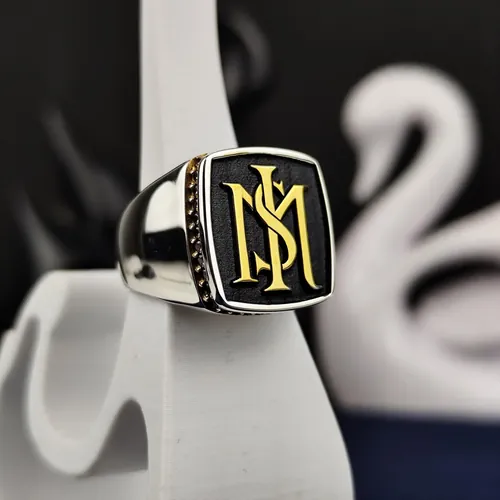
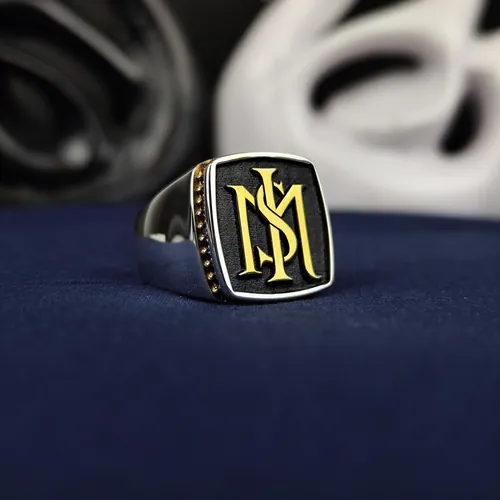
To see a plated option, open the gold plated university ring, or browse monogram rings. Once you choose, our personalization steps come with a digital proof for approval, usually within 24 to 48 hours.
Sources and further reading
- 16 CFR 23.3, FTC Jewelry Guides on gold, karat and plating terms
- 16 CFR 23.4, FTC Jewelry Guides on vermeil
- Buying platinum, gold and silver jewelry, FTC consumer guide
- Gold plating, Wikipedia, on thickness grades and silver diffusion
- Sterling silver, Wikipedia, on composition and tarnish
Frequently asked questions
What is the FTC minimum for gold vermeil?
The FTC Jewelry Guides require a sterling silver base coated on all significant surfaces with gold of at least 10 karat, at a minimum thickness equal to 2.5 microns. Jewelry that falls short of that should not carry the vermeil label.
What does gold filled mean?
Gold filled describes gold mechanically bonded to a base metal, with the gold making up at least 1/20 of the item's metal weight, according to the FTC Guides. The karat of the gold should be stated next to the term on the label.
How long does gold plating on silver last?
No single figure applies. Standard plating wears over months to years with daily use, and thicker layers last longer. How often you wear the ring and what it rubs against matter too. Solid gold has no layer to wear through.
Is 925 sterling silver the same as silver plated?
No. Sterling silver is 92.5% silver throughout. Silver plate is a thin layer of silver over a base metal, according to the FTC consumer guide. Ask the seller which one the listing describes before you order.
Can I wear a gold plated ring in the shower?
Remove the ring before showers and dishwashing, then dry it with a soft cloth if it gets wet. Plated and vermeil finishes wear with daily use over months to years. Solid gold resists wear and tarnish better.
Keep reading
- Monogram Signet Rings: History, Styles and How to Choose
- Religious Signet Rings: Symbols, Meaning and Keepsakes
- Does Sterling Silver Turn Your Skin Green?
Shop the collection: Rings.